
800mm led mirror
Understanding the Pricing of 3” and 4” Gate Valves Gate valves are one of the essential components in various piping systems, widely utilized in water supply, oil and gas distribution, and chemical processing industries. Among the various sizes available, 3-inch and 4-inch gate valves are commonly used due to their balance between size, flow capacity, and versatility. This article aims to provide insights into the pricing structures for these valves, taking into account several influencing factors. The Basics of Gate Valves A gate valve is designed to provide a straight-line flow of fluid with minimal pressure loss. Its operation is simple a wedge-shaped gate is raised or lowered into the flow path to either start or stop the flow. This design makes gate valves particularly useful in applications where the valve remains either fully open or fully closed, rather than throttling flow. Pricing Factors Understanding the price of 3-inch and 4-inch gate valves involves considering several variables 1. Material Composition Gate valves can be made from several materials, including cast iron, stainless steel, brass, and bronze. Typically, 3-inch and 4-inch gate valves made from stainless steel are more expensive due to their ability to withstand high pressure and corrosive environments. On the other hand, cast iron valves may be more affordable but could be less durable in the long run. 2. Design Standard The manufacturing standards (e.g., ANSI, ASTM) to which the valve is produced will significantly affect its price. Gate valves designed for higher pressure and temperature classes are generally costlier than those for lower ratings. Valves that comply with stringent international standards may also carry a premium due to enhanced quality assurance and testing. 3. Manufacturing Process The method used to produce the valve—whether it is cast, forged, or machined—plays a critical role in determining the price. Cast valves are typically less expensive than forged ones, which are known for their strength and reliability but require more intricate manufacturing techniques. 3 4 gate valve price 4. Size and Complexity While both 3-inch and 4-inch gate valves fall within a similar range, the initial dimension raises the cost factor. The increase in size corresponds to more material usage and potentially more complex designs, especially for 4-inch valves. 5. Brand and Supplier Different manufacturers offer varying levels of quality and service. Reputable brands that have established a trusted reputation generally command higher prices due to the assurance of durability, performance, and support. It's crucial to assess the supplier's reputation and reliability in your purchasing decision. 6. Market Conditions Fluctuations in raw material prices, demand and supply dynamics, or economic factors can also influence the pricing of gate valves. In times of high demand, prices may spike, while during an economic downturn, discounts or reduced prices might occur. The Price Range As of the most recent market trends, a typical 3-inch gate valve might cost anywhere from $50 to $200, whereas a 4-inch gate valve may range from $100 to $300. These estimates can vary widely based on the aforementioned factors. Premium valves or those with advanced features (such as electric actuators or specialized sealing technology) may exceed these price ranges. Choosing the Right Valve When selecting between a 3-inch and a 4-inch gate valve, it is essential to consider the specific requirements of your system. Factors such as flow rate, pressure conditions, and the nature of the fluid being transported must be evaluated. Investing in the right valve can lead to improved system efficiency and reduced maintenance costs. Conclusion In summary, the pricing of 3-inch and 4-inch gate valves is influenced by multiple factors, including material, manufacturing processes, and market conditions. Understanding these elements is crucial for making informed purchasing decisions in an industry where quality and reliability are paramount. By evaluating your specific needs and researching products thoroughly, you can find a gate valve that meets your standards within your budget. Whether you opt for a more affordable standard valve or invest in a premium option, the right gate valve is essential for ensuring the seamless operation of your piping systems.
about
800mm led mirror
How to Turn Off the Water Valve A Step-by-Step Guide In any household, knowing how to turn off the water valve can be a crucial skill. Whether you are dealing with a leak, preparing for plumbing repairs, or dealing with an emergency situation, having the ability to shut off the water supply can save you time, money, and prevent further damage. This article will guide you through the process of locating and turning off your water valve, as well as provide some useful tips for maintaining your plumbing system. Understanding the Water Valve The water valve is a crucial component of your plumbing system. It controls the flow of water into your home and is typically located near the main water line. In many cases, there are two main types of water valves you should be aware of the main shut-off valve and individual fixture shut-off valves. The main valve controls the water supply to your entire home, while individual fixture shut-off valves are located near sinks, toilets, or appliances. Locating the Main Water Shut-Off Valve Before you experience a plumbing issue, it’s essential to know where your main shut-off valve is located. Common places include 1. Basement or Crawl Space In many homes, the main valve is situated in the basement or a crawl space close to where the water line enters the house. 2. Outside Some homes have their main shut-off valve located outside, often in an underground pit or in a box near the foundation. 3. Utility Room In certain houses, the valve may be found in a utility room where the water heater and other plumbing fixtures reside. Turning Off the Water Valve Once you’ve located your main shut-off valve, turning it off is a straightforward process 1. Identify the Type of Valve The two most common types of valves are gate valves and ball valves. A gate valve typically has a round or oval handle, while a ball valve has a lever-style handle. 2. For a Gate Valve To turn off a gate valve, you will need to turn the handle clockwise until it stops . It may require some effort, especially if it hasn’t been turned in a long time. turn off water valve 3. For a Ball Valve Simply turn the lever perpendicular to the pipe. A 90-degree turn should close the valve completely. After shutting off the valve, you may want to open some faucets in your home to relieve pressure in the pipes and ensure the water supply is fully turned off. Individual Fixture Shut-Off Valves In addition to the main shut-off valve, familiarize yourself with the shut-off valves for individual fixtures. These are particularly useful for small leaks or repairs without turning off the water for the entire house. They are typically located - Under Kitchen and Bathroom Sinks Look for small valves attached to the water pipes. - Behind Toilets Most toilets have a valve on the wall or floor near the base. To turn these off, simply twist the valve handle clockwise until it stops. What to Do After Turning Off the Water After you’ve successfully shut off the water, it’s essential to assess the situation - Check for Leaks Inspect the area for any ongoing leaks or damages. - Make Necessary Repairs Whether it’s patching a leak or replacing a fixture, now is the time to address plumbing issues while the water is off. - Consider Professional Help If you are unsure about the severity of the problem or the repairs needed, call a professional plumber for assistance. Maintenance Tips To ensure your water valve functions properly when you need it, perform regular maintenance - Test Your Valves Regularly Exercise your valves every few months by turning them on and off. This helps prevent them from seizing up. - Inspect for Corrosion Look for any signs of rust or damage, particularly on older valves, and replace them if necessary. - Know Your Plumbing System Understanding your plumbing layout will make it easier to locate and operate the valves in emergencies. In conclusion, knowing how to turn off the water valve in your home is an invaluable skill. Whether you're preparing for repairs or handling emergencies, being proactive and equipped with knowledge can prevent stress and costly damages. Make it a habit to familiarize yourself with your plumbing system, and you’ll be better prepared for any situation that arises.
-

High quality industrial productsagement

High quality industrial products
View Details -

Meet the diverse needs of customers

Meet the diverse needs of customers
View Details -

Strict quality control

Strict quality control
View Details -

Top raw materials

Top raw materials
View Details -

Trusted supplier

Trusted supplier
View Details
Our application

news and information
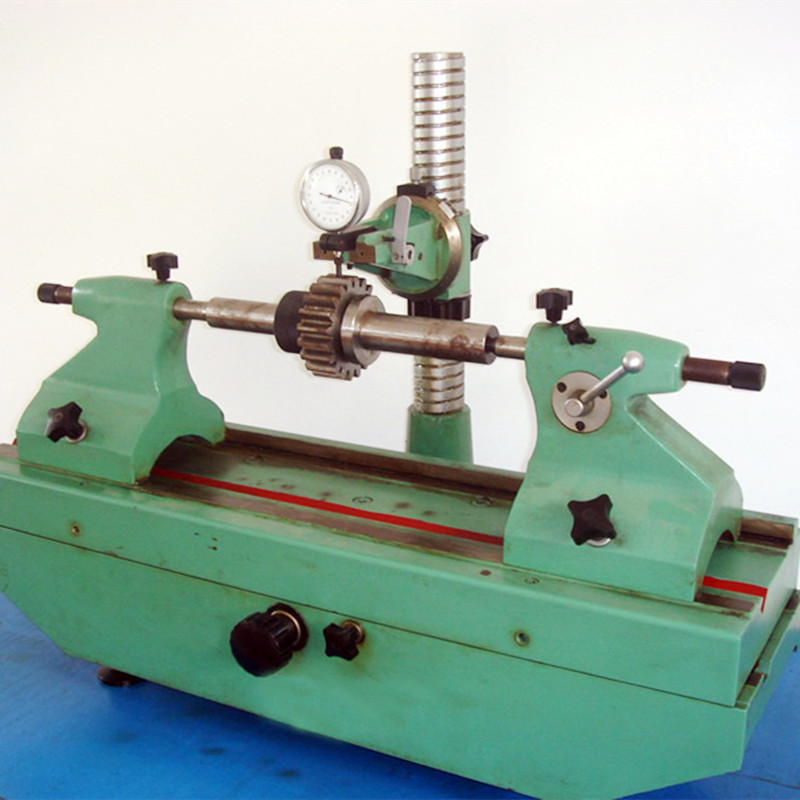
Versatile Ground Anchors for Enhanced Stability and Adaptability in Various Applications
The Versatility and Importance of Adjustable Ground Anchors Ground anchors have long been an essenti
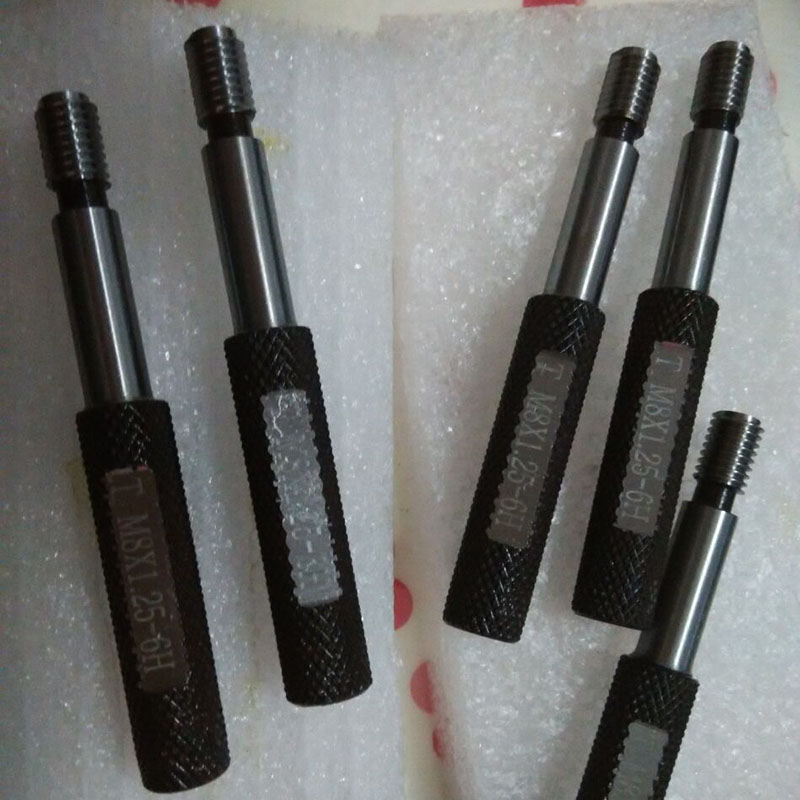
Välineet tarkkuusmittaamiseen syvyysmittari 18-35 mm halkaisijalle
Dial bore gauge on yksi tärkeimmistä työkaluista tarkkuusmittauksessa teollisuudessa, erityisesti ku
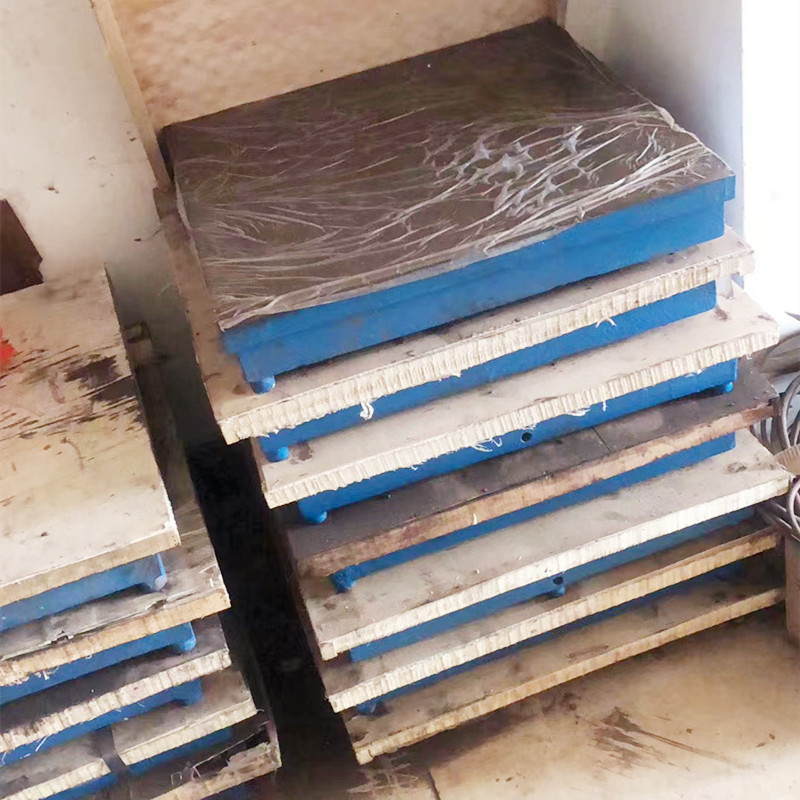
Welding and Fabrication Techniques for Enhanced Structural Integrity and Performance
Understanding the Welding Fabrication Table A Key Tool for Metalworking In the realm of metalworking
 English